Hydrochloric Acid Costs: Existing Trends & Industry Analysis
Hydrochloric Acid Costs: Existing Trends & Industry Analysis
Blog Article
The HCl price market is now seeing significant change resulting from a multifaceted blend of influences. Global logistics issues, rising component expenses, particularly related to natural gas – a key ingredient – are primarily driving the price hikes. Usage persists stable across different sectors, including metallurgy, chemical industry, and water purification. Area disparities in costs continue due to transportation costs and specific supply and demand. Analysts anticipate sustained cost volatility in the coming months while future stability will depend on addressing supply chain bottlenecks and international economic circumstances.
Muriatic Acid Price Per Ton : A Detailed Guide
Understanding the current rate of HCl per US ton is critical for industries that employ it. Numerous influences impact the cost , like feedstock charges, production costs , transportation charges , and general sales conditions . Typically , the cost can vary significantly, from approximately $low_price_range to $high_price_range per US ton, hinging on purity , region, and vendor . This guide aims to discuss such factors in more length, providing information into forecasting future muriatic acid costing trends .
Hydrochloric Acid Bulk Price: Factors Influencing Costs
The current price of bulk hydrochloric muriatic acid is considerably affected by a range of elements . Component sourcing, particularly brine, plays a key role , as it’s the main feedstock for its manufacture . Utility rates, essential for the chlor-alkali method, substantially impact HCl pricing . check here Logistics costs, which rely on petroleum costs and network capacity , also add to the aggregate expense . Finally, commercial request from diverse industries like chemical production and agricultural treatment can generate price variations .
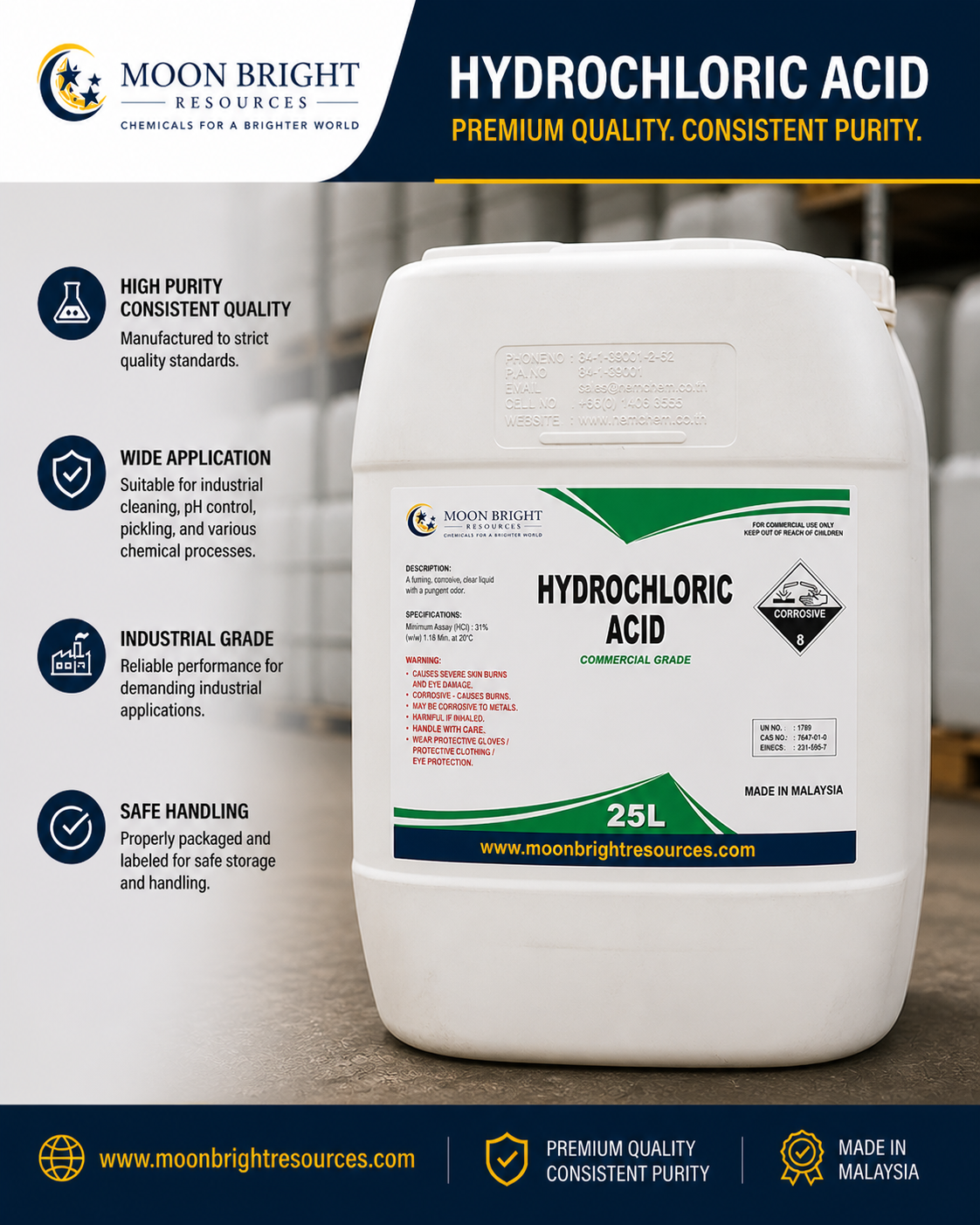
Here's a summary of influencing factors:
- Input Cost
- Energy Rates
- Logistics Charges
- Sales Request
Understanding Hydrochloric Acid Bulk Pricing Strategies
Navigating the challenging landscape of hydrochloric HCl bulk pricing is a keen understanding of several variables. The cost of large-volume hydrochloric orders isn't merely a fixed number; it changes based on stock, usage, shipping charges, and grade specifications. Typically, suppliers offer graduated pricing structures, so significant quantities unlock reduced each prices. Furthermore, agreed agreements generally secure better rates compared to spot buys. Consider also the influence of monetary rates and any applicable duties when comparing quotes from various vendors.
Here’s a brief look at key considerations:
- Volume Reductions: Substantial purchase sizes often qualify for sizeable price decreases.
- Contract Terms: Extended contracts frequently provide greater value assurance.
- Shipping Expenses: Shipping rates can significantly impact the overall cost.
- Purity Requirements: Higher purity hydrochloric muriatic acid commands a increased price.
Where For Buy HCl Substance In Large Volumes : Reputable Vendors & Expenses
Securing muriatic substance bulk requires thorough consideration of vendors . Numerous chemical businesses offer the product , but choosing a reliable source is crucial . Frequent selections include large-scale chemical suppliers , niche chemical companies , and sometimes direct offerings . Prices fluctuate significantly based on quantity ordered , concentration, shipping area, and current conditions . Anticipate prices to fall from approximately $0.50 to $ $2.50 each gallon for industrial grade , with significant quantities entitling for size savings. Be sure to obtain bids from multiple suppliers to evaluate pricing and confirm advantageous conditions .
Acid Price Fluctuations: Why Are Affecting the Market ?
Recent changes in hydrochloric acid rates have prompted significant concern across various sectors . Several conditions are currently driving these variations . Input costs, particularly linked with chlorine gas and hydrogen , have seen substantial rises , immediately affecting HCl production expenditures. Furthermore, logistical disruptions , originating in global occurrences and local restrictions, are compounding the situation . Finally, fluctuations in requirement from important employing areas like purification and chemical manufacturing play a crucial part in determining the overall industry environment .
- Basic expenses
- Logistical disruptions
- Requirement from employing sectors